



AGRICULTURAL
BUILDING CONSTRUCTION

“Heko” will ensure the successful implementation of your project. We specialize in the construction of durable, environmentally resistant agricultural buildings tailored to specific needs.

AGRICULTURAL BUILDINGS

Agricultural building construction involves the design and implementation of structures intended for livestock and crop production, as well as equipment and product storage. “Heko” team of professionals carries out agricultural construction projects of various complexities, ensuring durability, environmental resistance, adaptation to specific farming needs, and, of course, quality.


LIVESTOCK BUILDINGS

Farms, barns, poultry houses, stables, etc. These are structures designed for housing and caring for animals, and therefore require specific solutions and standards for microclimate control, ventilation, and waste management systems.

CROP PRODUCTION BUILDINGS

Greenhouses, grain storage facilities, dryers, hangars. These buildings are used for growing, storing, drying, and processing crops. Maintaining a suitable microclimate is crucial here, along with moisture protection for specific structures.

FARM UTILITY BUILDINGS

Warehouses, workshops, garages for agricultural machinery. These are multi-purpose buildings where spaciousness, easy access, and functionality are critical in the design process.

SPECIALIZED STRUCTURES

Biodiesel plants, composting sites, production facilities. These are highly specialized buildings that are subject to strict technological and environmental standards during construction.

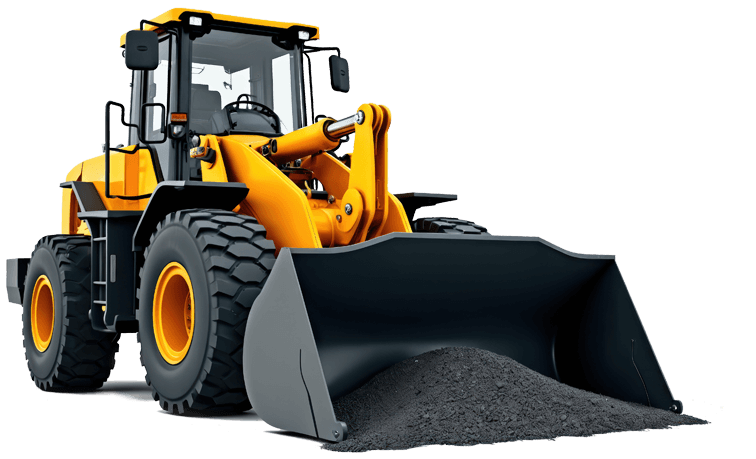
CONSTRUCTION OF AGRICULTURAL BUILDINGS

The construction of agricultural buildings differs significantly from that of other industrial or commercial structures. These buildings require specific operational conditions, specialized construction materials, and tailored technologies.

Agricultural buildings stand apart due to their unique design, integrated engineering systems, operational requirements, and specific construction permits and regulations.

When constructing agricultural facilities, many specific factors must be considered. For example, location consideration is critical, as such buildings are typically situated in remote areas where infrastructure may be limited and natural conditions must be taken into account.

The materials chosen must be highly resistant to moisture and temperature fluctuations. While agricultural buildings often feature simpler structures than industrial ones, it’s vital to align the construction approach with the building type and function. Additionally, these structures must be resilient to environmental impacts, particularly due to their exposed rural locations.

SPECIFICS

STRUCTURAL DIFFERENCES

Materials. Agricultural buildings often use lighter yet durable materials such as steel, aluminum, or wood. These materials must withstand moisture, temperature changes, and chemical exposure. In contrast, reinforced concrete and masonry are more common in industrial or commercial buildings.

Simplified structures. Many agricultural buildings are open-type or have minimal internal partitions. Efficient ventilation and functional spatial layout are essential, whether for housing animals, agricultural machinery, or other needs.

Larger floor areas and heights. Agricultural structures such as warehouses, grain storage units, or hangars are typically tall and spacious, often featuring large open spans without internal supports to accommodate heavy equipment or large harvest volumes.

ENGINEERING SYSTEMS

Ventilation and climate control. For buildings dedicated to livestock farming, maintaining an optimal indoor environment is crucial. This includes effective ventilation, humidity control, and temperature regulation to ensure animal welfare.

Flooring and surface solutions. Agricultural buildings require specialized flooring – it must be non-slip and resistant to ammonia produced from manure.

Fire safety. Certain agricultural facilities, such as barns storing hay or other flammable materials, require enhanced fire protection measures.

Electrical installations. Livestock buildings, such as barns, must have specialized electrical systems to prevent sparking and reduce fire risks.

OPERATIONAL REQUIREMENTS

Resistance to environmental factors. As mentioned, agricultural buildings are often located in open, exposed areas subject to harsh weather conditions — strong winds, heavy snow, or high humidity. Structures must be designed with reinforced load-bearing systems to withstand these elements.

Minimal finishing costs. Unlike commercial or residential buildings, agricultural structures generally have basic interior finishing, as aesthetic considerations are secondary.

Hygiene and sanitation standards. Facilities like barns and poultry houses must comply with strict veterinary, hygiene, and sanitation requirements. They must include proper wastewater treatment systems, and all surfaces — walls and floors — should be easy to clean and maintain.

CONSTRUCTION PERMITS AND REGULATIONS

Simplified procedures. Some smaller agricultural structures (e.g., hangars or storage buildings) may qualify for simplified construction procedures or may not require full construction permits.

Environmental requirements. While permitting procedures may be simpler, environmental regulations are stricter, especially for livestock buildings. These must meet specific standards related to pollution control and waste management, unlike many commercial or industrial buildings.

CONSTRUCTION PROCESS

“Heko” takes care of the agricultural building construction process from project initiation to final commissioning, working carefully and responsibly, and considering the specifics of each project and the individual expectations of the client.

The duration of agricultural building construction depends on the project’s size, complexity, materials used, and the necessary permits. Agricultural building projects can vary — different structural types may be applied, building sizes and heights may differ, and installed engineering systems may vary, along with specific requirements for moisture control, temperature, and hygiene standards.

The construction process for agricultural buildings consists of the following stages: consultation and planning, design, construction works, documentation and commissioning, and, where needed, additional services.

If needed, our team can provide additional services. These include modular construction (a faster construction solution using prefabricated modular segments), installation of automated systems (temperature, ventilation, feed supply, lighting control), and technical maintenance.

Have questions about agricultural building construction? Contact us – we will respond clearly and accurately, provide detailed consultations, and help you implement your project.

0% 100%

CONSULTATION AND PLANNING

At the beginning of an agricultural building construction project, an analysis is performed. During this stage, we evaluate what type of building is required, its size, functions, and technical solutions. A detailed analysis of the site intended for construction is also carried out – including soil properties, terrain, and infrastructure. During this stage, we also clarify issues related to building permits, hygiene requirements, and so on.

DESIGN

At this stage, the layout of the building’s exterior and interior is prepared according to the needs of the farming operation – the architectural project. Structural elements are designed, and appropriate materials are selected (steel, reinforced concrete, wood, etc.). The engineering systems project is also prepared: electrical installation, water supply, sewage, ventilation systems. The required technical documentation is obtained and permits are coordinated.

CONSTRUCTION WORKS

First, preparatory works are carried out: site leveling, geological surveys, etc. Then the foundations are installed — strip, bored, or slab foundations depending on the soil and type of building. Steel, wood, or reinforced concrete structures are assembled, and the roof is installed. The roofing material must be resistant to moisture and temperature changes.

Engineering systems are installed: electricity, water supply, ventilation, and heating. Interior works are carried out: floors are laid, partitions installed, and specialized equipment is mounted (feed supply systems, manure removal lines, ventilation units). The surroundings are also completed – access roads, drainage, water collection systems.

DOCUMENTATION AND BUILDING COMMISSIONING

During the final stage of construction, the quality of the structure is inspected — verifying whether the building meets the required standards: resistance to loads, moisture, ventilation system, etc. An energy efficiency certification is also performed. Relevant state institutions conduct hygiene assessments. Finally, all necessary documentation is completed and the building is officially commissioned.

“HEKO” – YOUR PARTNER IN AGRICULTURE

The construction of agricultural buildings requires specialized knowledge. Most importantly – a reliable team that ensures timely and high-quality project execution.


From large-scale developments to smaller structures – we carry out agricultural construction projects of varying complexity, from concept to final commissioning. We understand the specifics, construction processes, and regulatory requirements of different types of agricultural buildings. Whether constructing livestock, crop production, or other specialized agricultural facilities, we ensure compliance with all essential standards specific to such buildings: creating the proper microclimate, installing ventilation systems, meeting hygiene standards, environmental requirements, and more.

Our experience in the construction sector allows us to apply optimal solutions and deliver projects to the highest quality – both in terms of functionality and cost-efficiency. From project planning and coordinating permits with relevant authorities to selecting appropriate materials and final commissioning – “Heko” ensures a smooth construction process and a durable, reliable final result.

ECOLOGY

Sustainability is one of our core priorities. We recognize that the construction and engineering sectors can have a significant environmental impact. That is why we are committed to minimizing our ecological footprint by implementing sustainable, environmentally responsible solutions and promoting the efficient and responsible use of resources.

Phone

Contacts

Email
info@heko.lt